
Here some tips for better audio for musical lessons. The audio settings for musical lessons are quite different from speech. Then you may want to turn off some features for speech with the operating system utilities first.
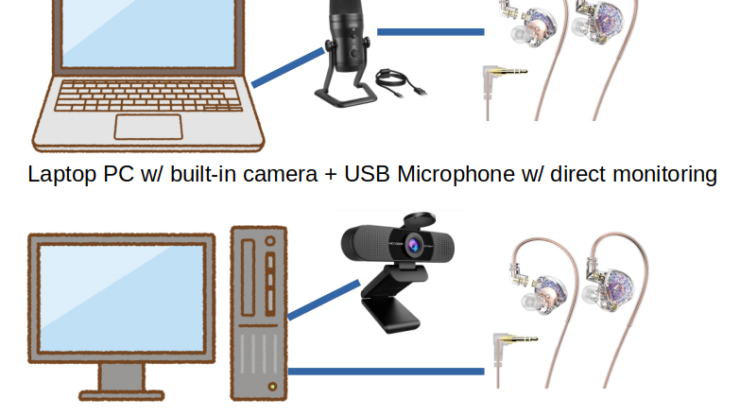

Here some tips for better audio for musical lessons. The audio settings for musical lessons are quite different from speech. Then you may want to turn off some features for speech with the operating system utilities first.

“My Appointments/login/JOIN” is the item you always click when visiting the website
You will be prompted to log in if not logged in
You will see Upcoming Appointments
You can Sign On (register) here (or during booking)
“Choose Wagakki” to find an instructor for the instrument you are interested in and book a lesson appointment.
You can register as a customer on this site during the booking process.
Note: “Waggakki” means “Traditional Japanese Musical Instruments”.
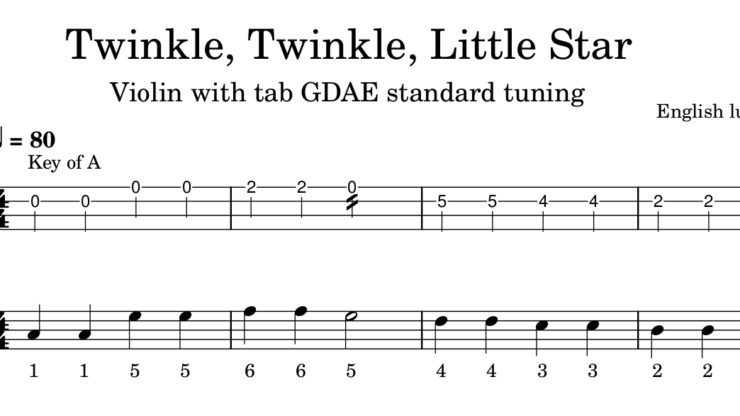
Although this song is not included in a standard repertory of traditional Japanese musical instruments, everyone knows this song and this song is used as the first song to learn on violin, piano, and many instruments. You will find the similarities and differences between instruments. You will also learn how to read music sheets and tabs.
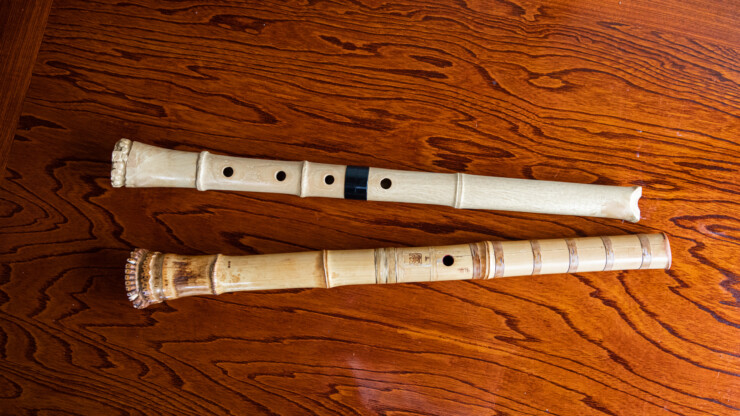
Shakuhachi (Japanese: 尺八, pronounced [ɕakɯhat͡ɕi]; Chinese: 尺八; pinyin: chǐbā) is a Japanese and ancient Chinese longitudinal, end-blown flute that is made of bamboo (from Wikipedia, the free encyclopedia).
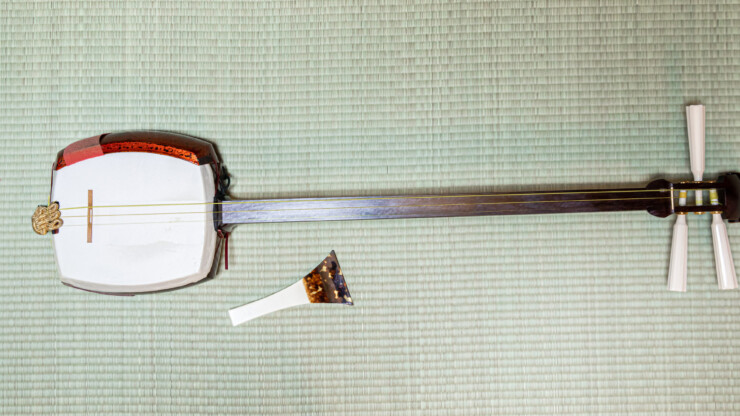
Tsugaru-Jamison (津軽三味線, つがるじゃみせん) or Tsugaru-shamisen (つがるしゃみせん) refers to both the Japanese genre of shamisen music originating from Tsugaru Peninsula in present-day Aomori Prefecture and the instrument it is performed with (from Wikipedia, the free encyclopedia).
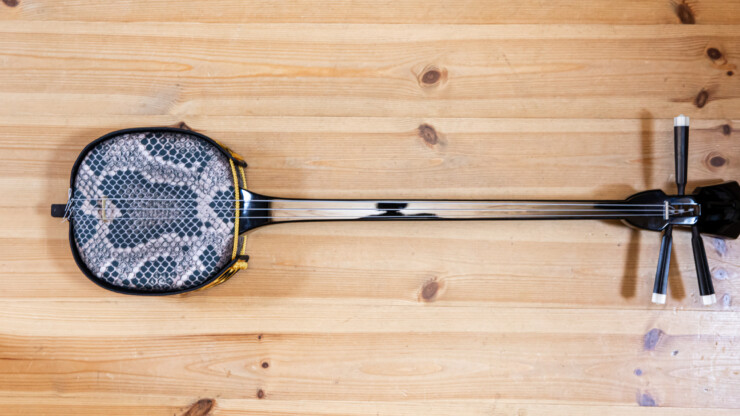
The Sanshin (三線, lit., “three strings”) is an Okinawan and Amami Islands musical instrument and precursor of the mainland Japanese shamisen (三味線). Often likened to a banjo, it consists of a snakeskin-covered body, neck, and three strings (from Wikipedia, the free encyclopedia).
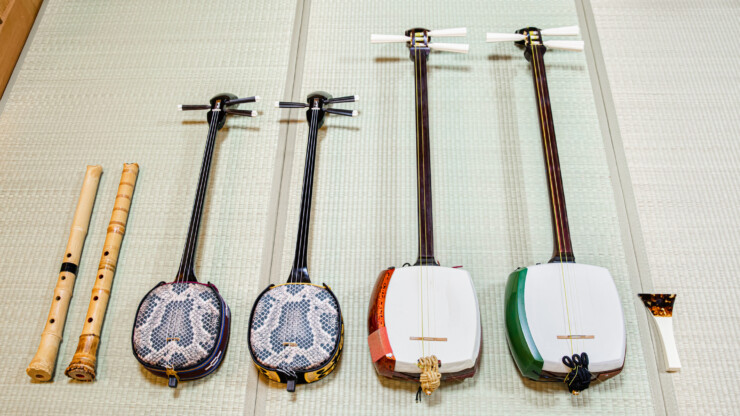
Traditional Japanese musical instruments, known as wagakki (和楽器) in Japanese, are musical instruments used in the traditional folk music of Japan. They comprise a range of string, wind, and percussion instruments (from WIkipedia, the free encyclopedia).