
Do you know the meaning of the Japanese proverb, “Peaches and chestnuts take three years to bear fruit, persimmons take eight years”? This phrase means that peaches and chestnuts bear fruit after three years and persimmons after eight years from the time of budding, and it includes the teaching that “a reasonable number of years is necessary for anything to…
Ladies and gentlemen, thank you for your patience. This time, we would like to share with you the second installment of the songs that are perfect for Japanese instruments, which we introduced in the last issue! ◇Senbonzakura “Senbonzakura” is a song by Hatsune Miku (featuring Vocaloid singing) released in 2011, with lyrics and music by Kuro Usa P. The song…
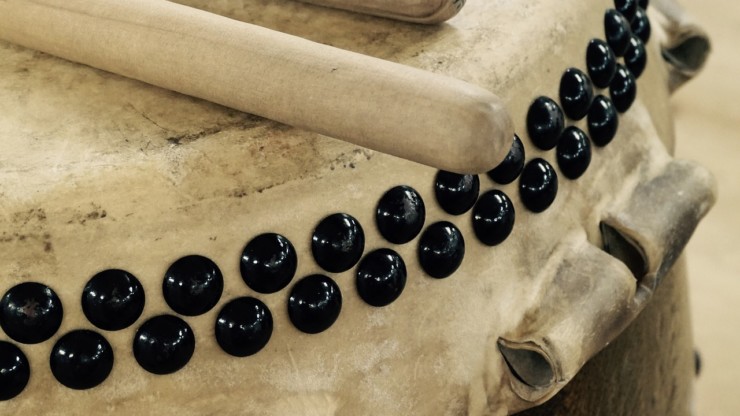
There are various types of taiko drums in Japanese traditional music. Taiko drums are percussion instruments that produce sound by vibrating the skins stretched over wooden bodies. Taiko drums have been used for rituals and performing arts such as festivals, kabuki, and noh. Taiko drums are classified by their structure, size, and playing method, but they can be broadly divided…
Do you like festivals? There are many festivals held throughout the year in various parts of the world, some traditional and some with local characteristics, Music is an indispensable element of all festivals. In Japan, too, music is an essential part of traditional events and festivals. This is where Japanese instruments such as flutes and drums come into play. Here…
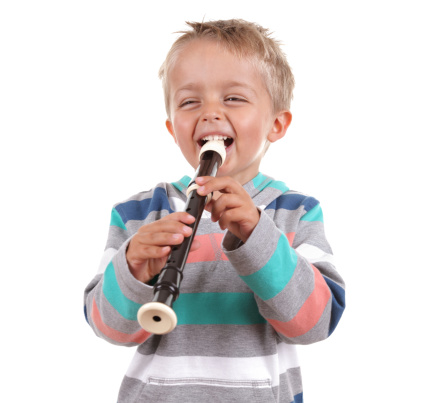
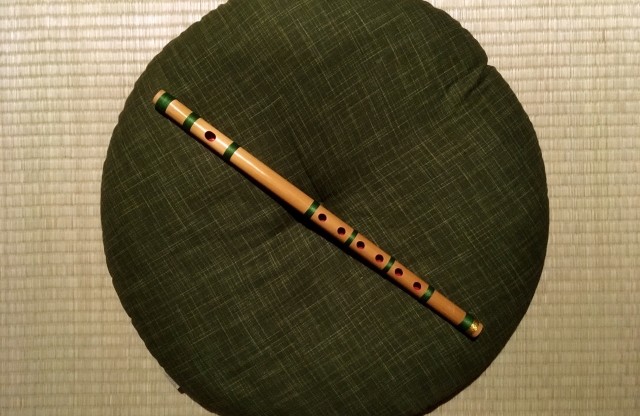
When you hear the word “vertical flute,” which instrument do you think of? In Japan, the recorder, which is sometimes played in school classes, and the shakuhachi, a traditional Japanese musical instrument, are particularly well known. The recorder and the shakuhachi share the same principle of sound production, and both are members of the air reed instrument family. However, people…
Folktales and Japanese traditional stories are abundant in Japan. Many of the characters in these stories can play Japanese musical instruments. Here are some examples of scenes where musical instruments appear in folktales. In “Momotaro,” a boy named Momotaro, who was born from a peach, goes on a demon-slaying mission with his dog, monkey, and pheasant friends. Along the way,…
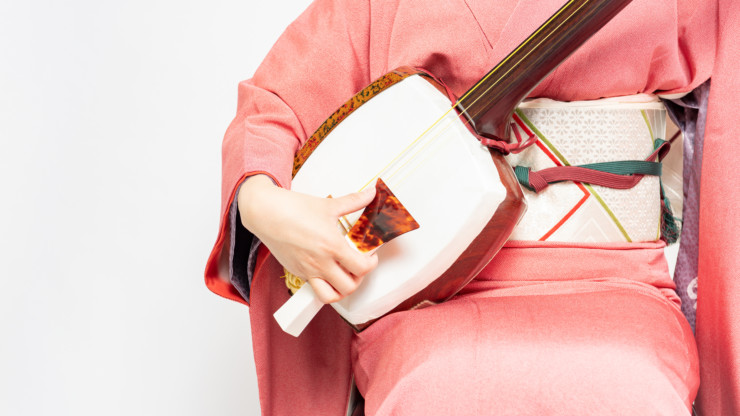
During the Edo period, the shamisen was used as an accompaniment instrument for singing and for theater performances such as Kabuki and Bunraku. Since it had a role in enhancing the song, a slow and calm performance style was common. In accompanying songs, the shamisen played different parts of the scene such as weather and nature, as well as the…