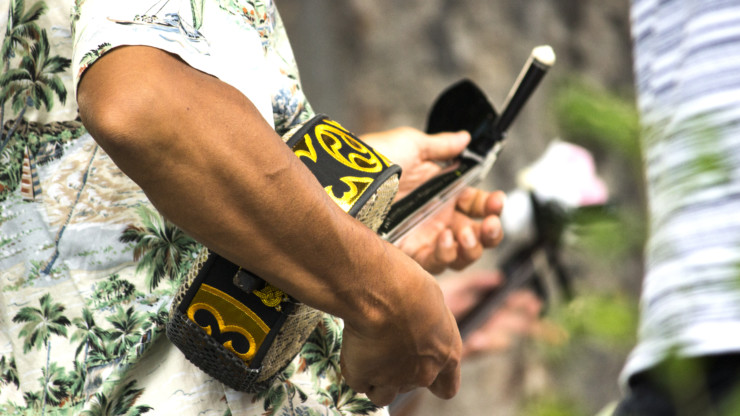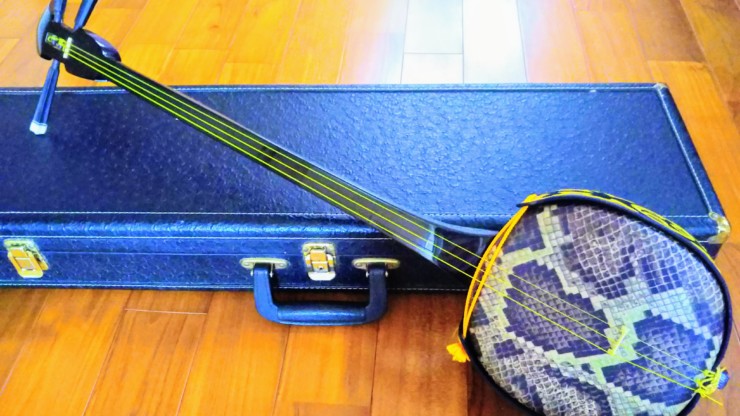

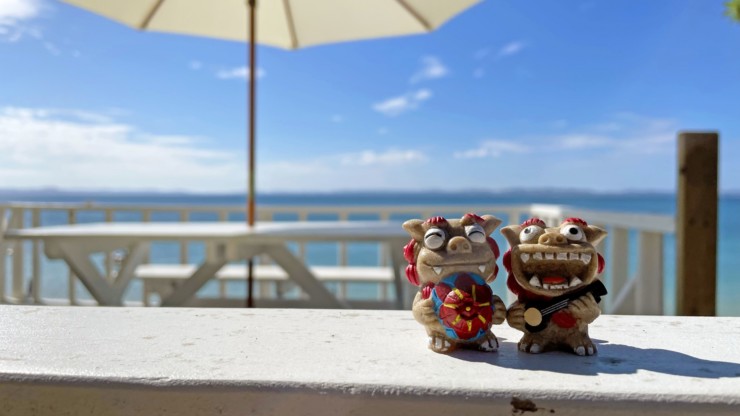
Okinawa Prefecture is known for its beautiful natural environment and rich music culture. At the heart of this music culture is an instrument called the Sanshin. The Sanshin is produced in places like Naha City in Okinawa Prefecture, and is used in a variety of music, including UNESCO Intangible Cultural Heritage Kumi Odori and the prefecture’s intangible cultural property Ryukyu…
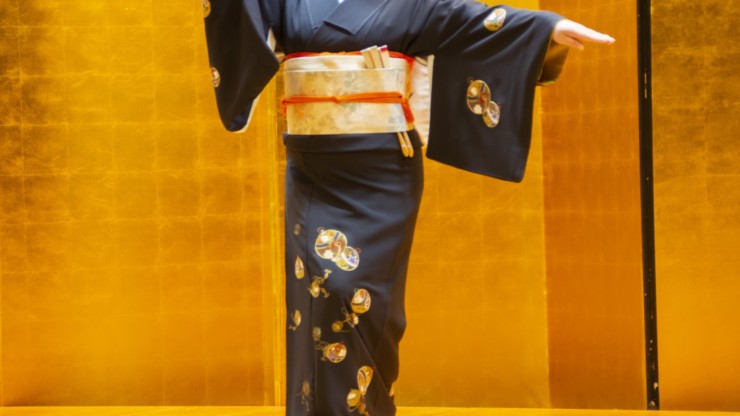
A geisha is a woman trained in traditional Japanese performing arts. While entertaining guests, geishas sing, dance, and play traditional Japanese musical instruments such as the shamisen and the koto. The music of the geisha is based on classical Japanese music and folk songs and has been influenced by gagaku (court music) and noh music. ◇Characteristics of geisha music Geisha…
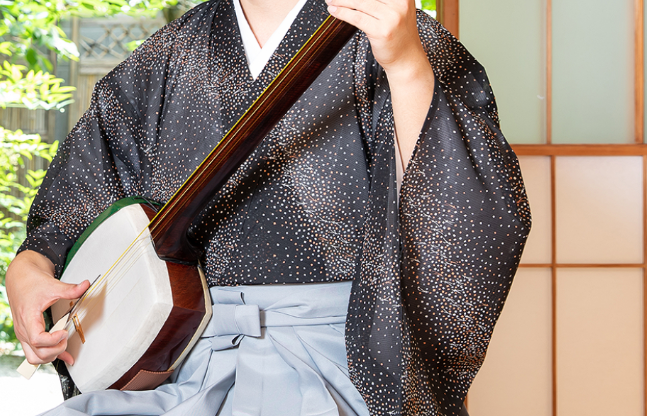
In recent years, the music of the shamisen—a traditional Japanese instrument—has been revitalized by a younger generation. Artists like the Yoshida Brothers are breathing new life into this classic instrument. What’s especially interesting is that many of these new compositions seem to be converging on certain stylistic tendencies. In this article, we will explore these trends and their implications. ◇Loop…
◇Introduction Traditional Japanese instruments, often referred to as “Wagakki,” have long used animal and plant materials in their construction. However, this traditional approach has led to increasing ethical and environmental concerns. In this blog, we explore how these instruments are evolving by employing new materials that do not include animal or plant parts. ◇Synthetic leather and the shamisen Traditionally, the…
Ryukyuan classical music, as the name suggests, began during the Ryukyu Kingdom era, and its history dates back hundreds of years. This music was performed in the royal palace, known as Shuri Castle, at the time, and was widely encouraged among the royalty and the gentry (wealthy and high-ranking people). Ryukyuan classical music reflects the culture of the Ryukyu Kingdom,…
Okinawan traditional performing arts are highly valued throughout Japan and the world for their unique musicality and deep historical background. In particular, the overwhelming vocal power captivates many people. One of the distinctive elements of Okinawan music is its powerful singing. This is deeply rooted in Okinawa’s musical culture that has continued since ancient times. Songs have played an important…
Traditional Japanese instruments are not just tools for making music. They are believed to harbor mystical powers within their sounds. In this article, we delve into the relationship between traditional Japanese instruments and legends, focusing on these mysterious or even supernatural aspects. ◇Shakuhachi and the Hermits The sound of the shakuhachi is believed to have healing properties, and its origins…
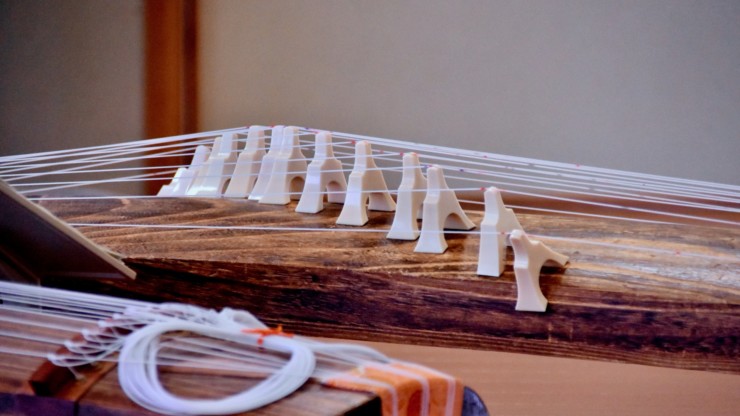
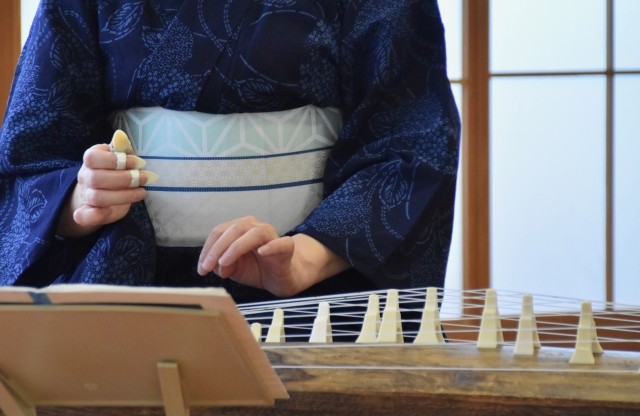
When you saw this title, what did you think this article would be about? Is there a legend about dragons and sou-no-koto? (In the following text, “sou-no-koto” will be referred to as “Koto”.) No, it is a little different. In this article, we will explain the names of each part of the koto. As you may have guessed with all…
Have you ever been to an orchestra performance? It is truly an impressive performance by many string, wind, and percussion instruments playing in perfect order. As you know, in most orchestras, the conductor gives instructions to the musicians. However, there is no conductor in Gagaku in Japan, which is called “the world’s oldest orchestra. Then, how does Gagaku proceed in…
In Japan, there are seven gods called the Seven Gods of Good Fortune who have been familiar to people since ancient times. To be precise, “Shichifukujin” is the collective name for seven gods. The names of the seven gods are Ebisu, Daikokuten, Bishamonten, Benzaiten, Hotei, Fukurokuju, and Jurojin. The seven gods are famous for their appearance on a treasure ship…