
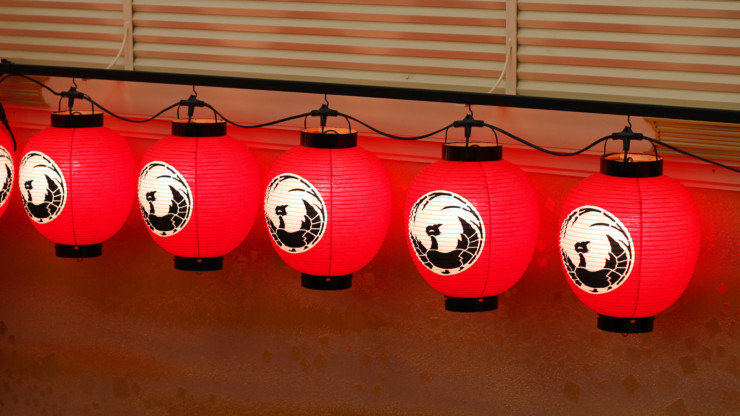
Have you heard of Kabuki, a UNESCO Intangible Cultural Heritage? Kabuki is a traditional Japanese performing art consisting of drama, dance, and music. It is a kind of entertainment in which men generally play both male and female roles, and the makeup called “kumadori” is a distinctive feature. Kabuki music is performed live, not only the performance but also the…
What kind of music would you like to play if you could play the shakuhachi? This time, we would like to introduce three representative shakuhachi pieces that would be cool if you could play them. 1. Tsuru no Sugomori (the nesting crane) This piece, which expresses the flight and chirping of cranes, describes the birth of a baby crane, its…
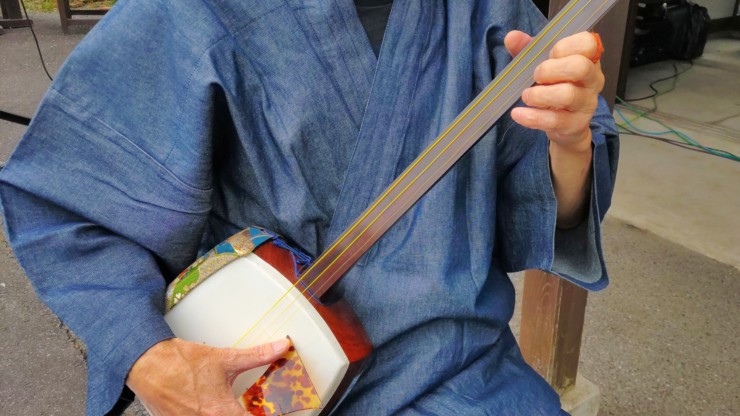
Shamisen is one of Japan’s traditional musical instruments, and there are three types: Hosozao (thin neck), Nakazao (medium neck), and Futozao (thick neck). Futozao shamisen is the thickest of the three types divided by the thickness of the neck, and has a large body and thick strings. When Futozao shamisen was introduced to the Tsugaru region, it was mainly used…
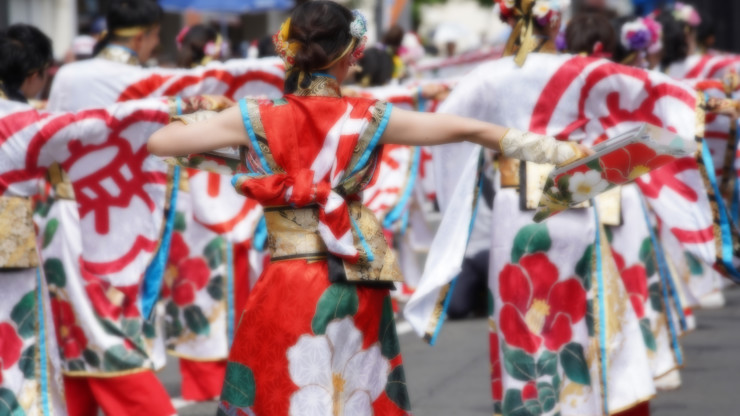
Do you like festivals? There are many festivals held throughout the year in various parts of the world, some traditional and some with local characteristics, Music is an indispensable element of all festivals. In Japan, too, music is an essential part of traditional events and festivals. This is where Japanese instruments such as flutes and drums come into play. Here…
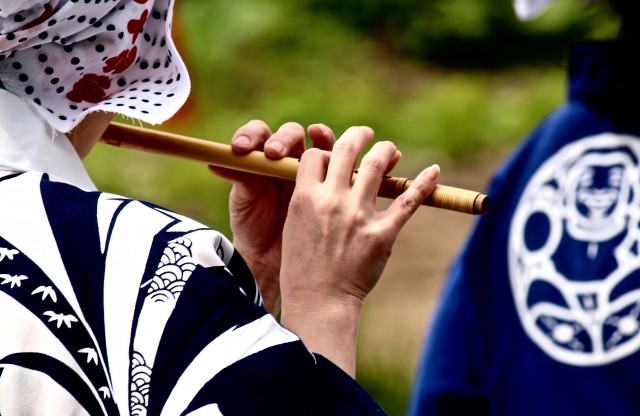
What kind of flute comes to mind when you hear the words “Japanese flute”? Most people probably think of the vertical flute, the shakuhachi. In fact, there is also a transverse flute like the flute, which is a Western instrument. In this article, we will look at several types of Japanese transverse flute. 1. ryuteki It is a bamboo instrument…
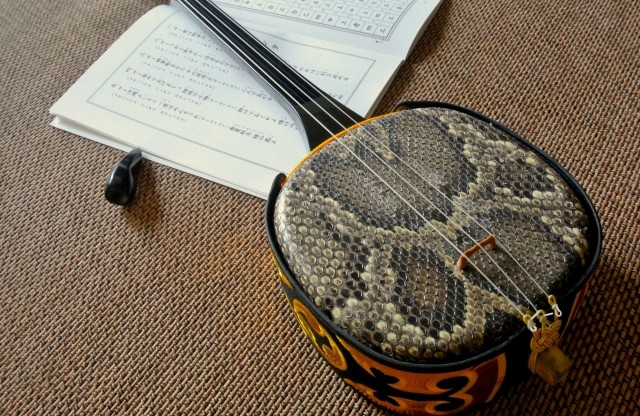
“Sanshin” and “Shamisen” are very similar. The names are also somewhat similar and complicated. What is the difference between “shamisen” and “sanshin”? Therefore, I would like to introduce five characteristics of “Shamisen” and “Sanshin”. If you read this blog, you may be able to distinguish between “shamisen” and “sanshin. 1. Historical Background According to one theory, the shamisen originated from…
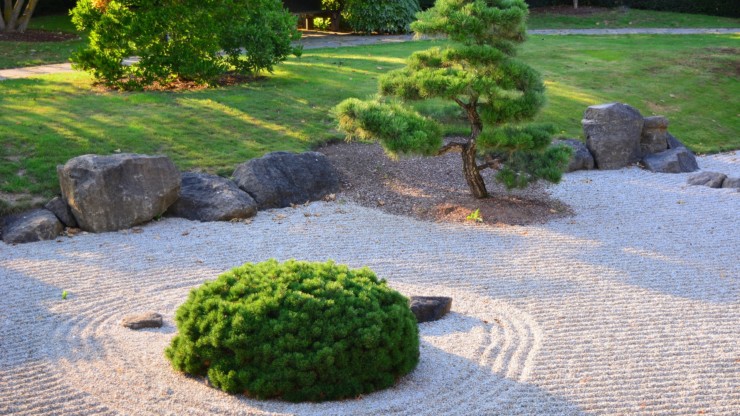
Hello everyone. Today, I would like to write about a unique concert experience I recently had. To my surprise, it was a concert of Japanese traditional instruments held in a Japanese garden abroad. I am excited to share this stimulating and beautiful experience in this blog post. The concert took place in a Japanese garden located in a corner of…
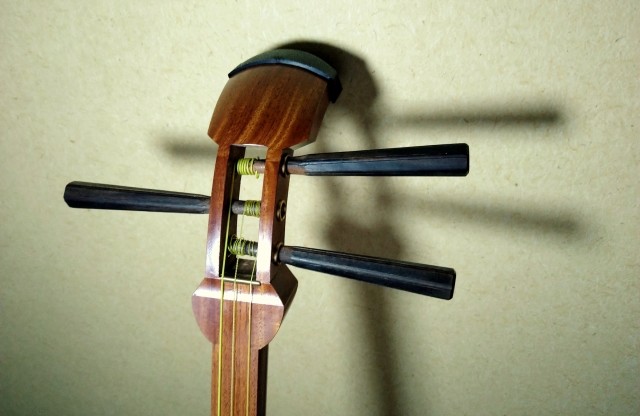
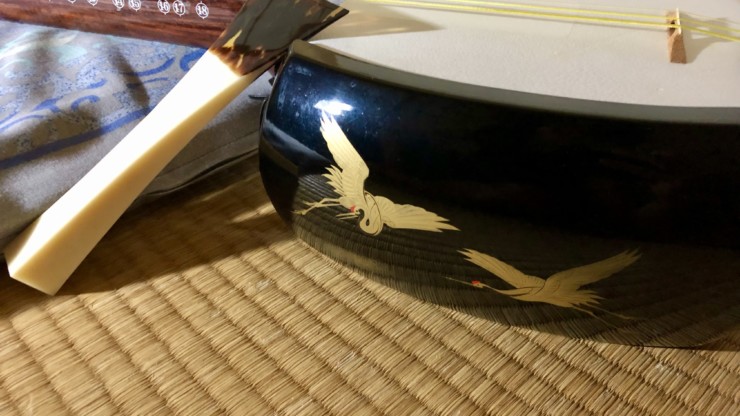
Everyone. Do you like the sound of Japanese instruments? I do. I think you can feel the wabi-sabi that is unique to Japanese instruments. Especially the shamisen contains a lot of noise unique to Japanese instruments. The reason why the sound of the shamisen is distinctive The shamisen is made up of a body and a neck, and has a…
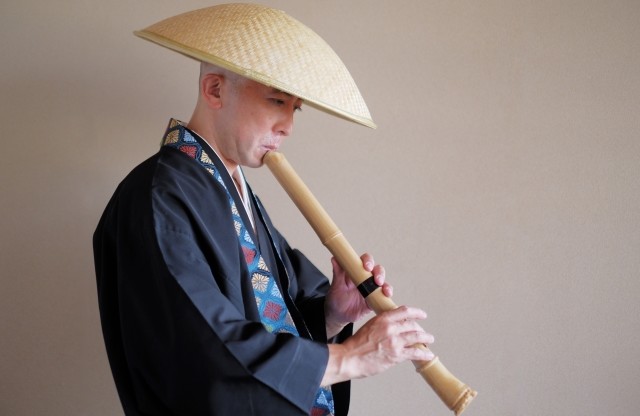
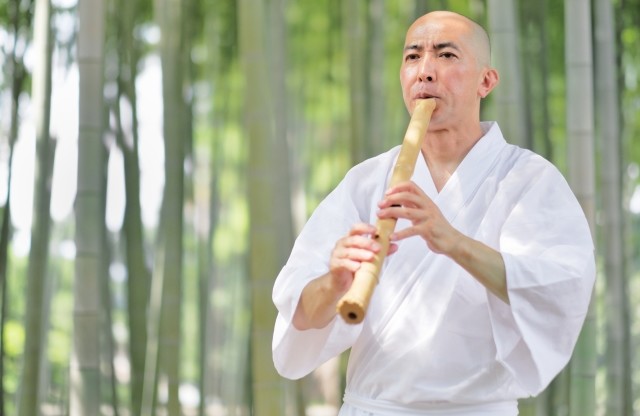
Do you know the instrument called “Shakuhachi”? The shakuhachi is one of the “wagakki” (Japanese musical instruments) and is classified as an air reed woodwind instrument, the same as the flute. The shakuhachi is made of madake bamboo, cut from the base and drilled with five finger holes. According to one theory, the name “shakuhachi” comes from the length of…
In Japan, there are many Japanese musical instruments such as taiko, koto, and shamisen, and unique instruments have been created in different regions. For example, the sanshin or Tsugaru shamisen. In this article, we will introduce the sanshin. The sanshin is a stringed instrument used primarily in Okinawa Prefecture. It is used in Kumiodori, a UNESCO Intangible Cultural Heritage Site,…